Best Seasons for Foundation Repairs
Foundation repairs are most effectively performed during specific seasons when environmental conditions support proper assessment and implementation. Typically, dry and stable weather conditions minimize risks associated with moisture fluctuations and soil movement. Spring and early summer often present ideal conditions due to moderate temperatures and reduced precipitation, enabling longer work periods and better curing times for repair materials.
Spring and early summer are considered the best times for foundation repairs due to favorable weather conditions that support effective work and curing.
Heavy rain or freezing temperatures can hinder repairs, cause delays, or compromise the effectiveness of certain repair methods.
Dry soil conditions reduce the risk of further movement, making repairs more stable and long-lasting.
Scheduling repairs during stable weather ensures better assessment and reduces the likelihood of future issues.
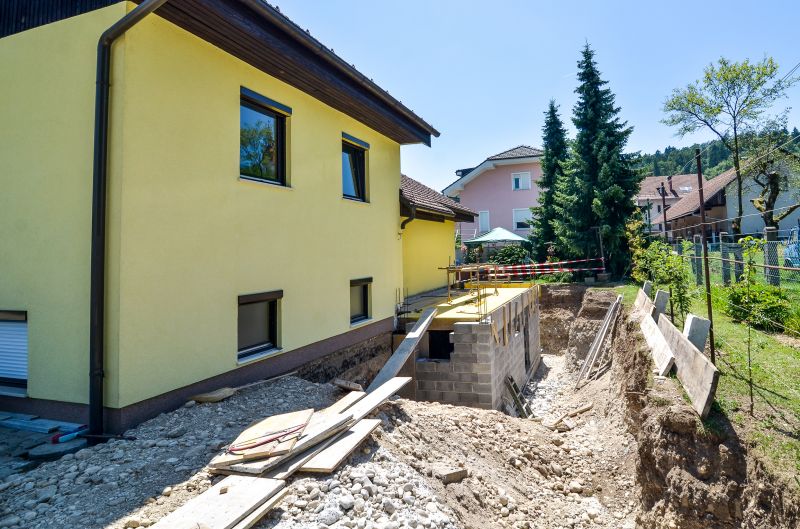
Spring offers ideal conditions with moderate weather and soil stability.
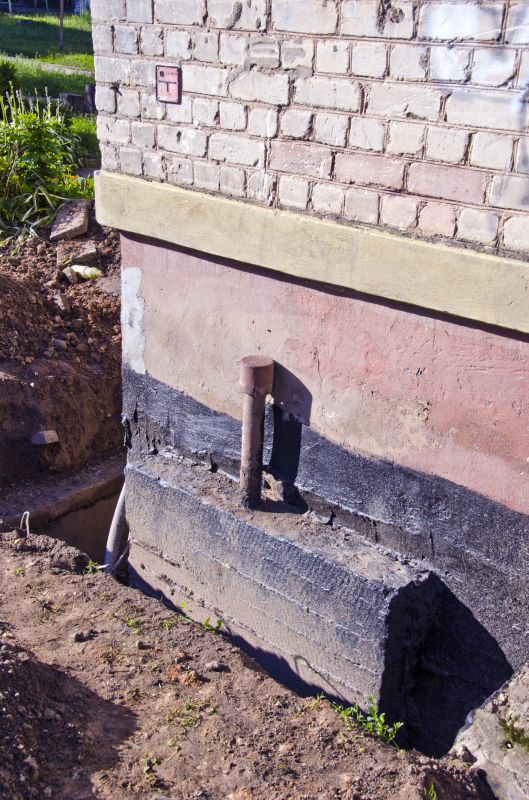
Early summer provides warm, dry conditions suitable for foundation work.
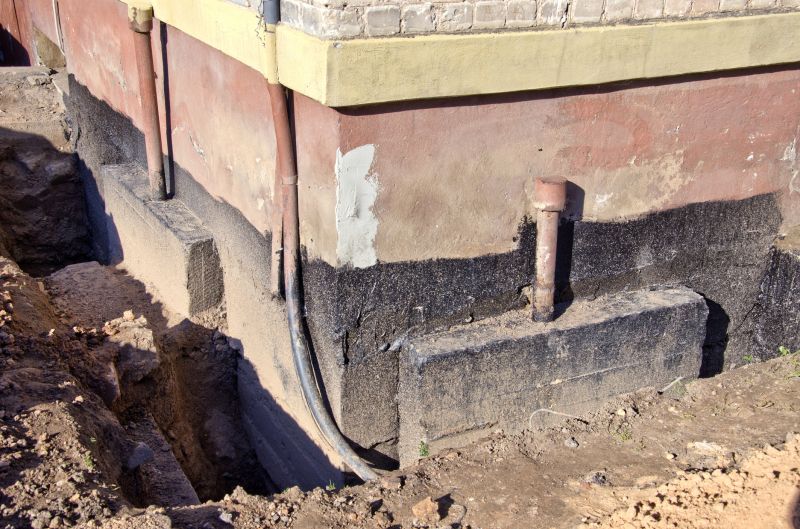
Fall can be suitable if weather remains dry and temperatures are moderate.
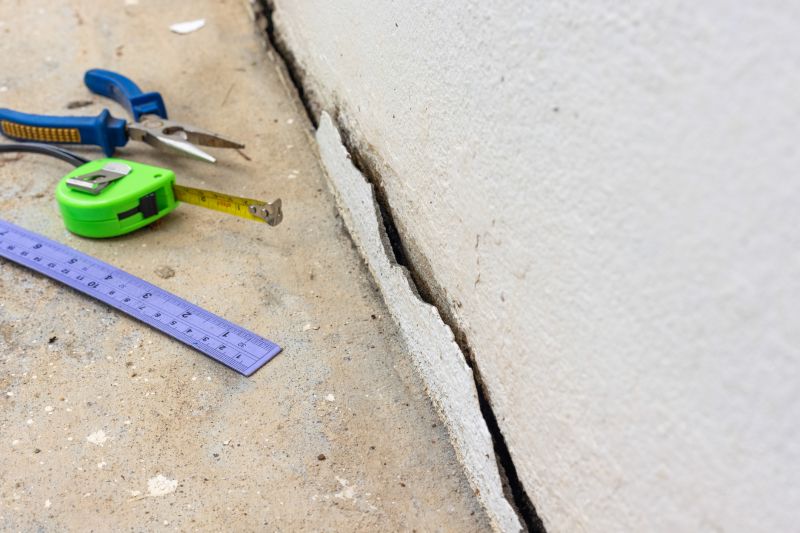
Ways to make Foundation Repairs work in tight or awkward layouts.
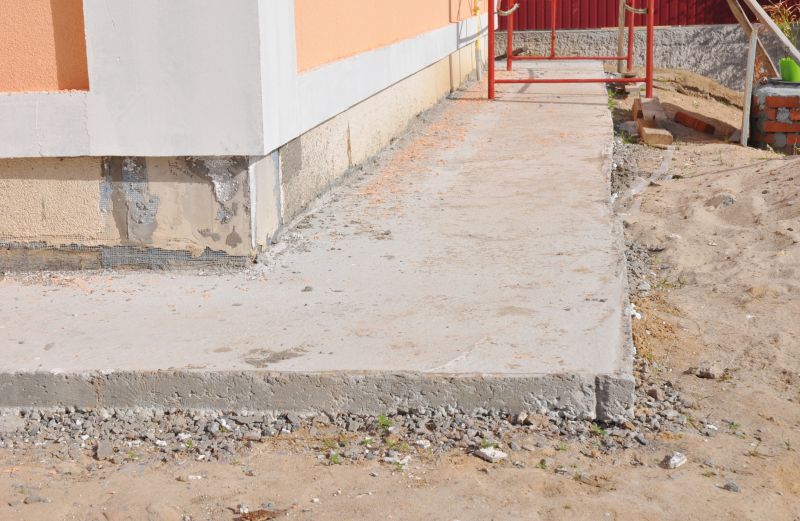
Popular materials for Foundation Repairs and why they hold up over time.
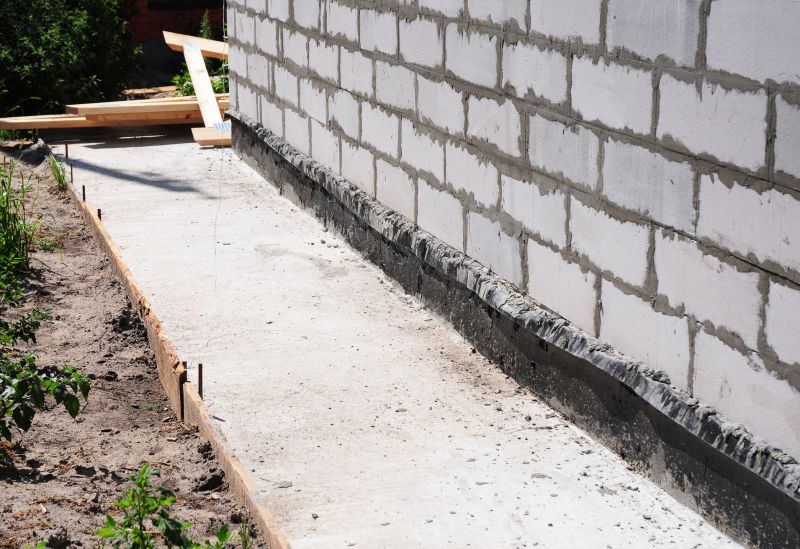
Simple add-ons that improve Foundation Repairs without blowing the budget.
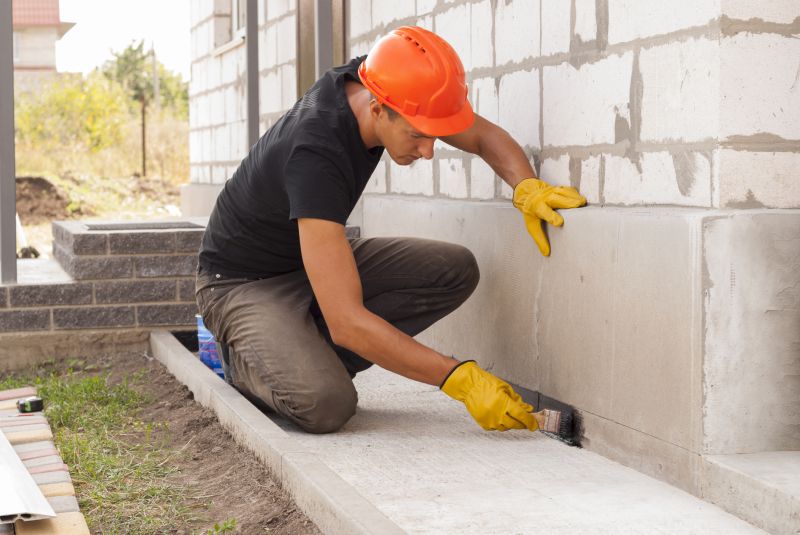
High-end options that actually feel worth it for Foundation Repairs.
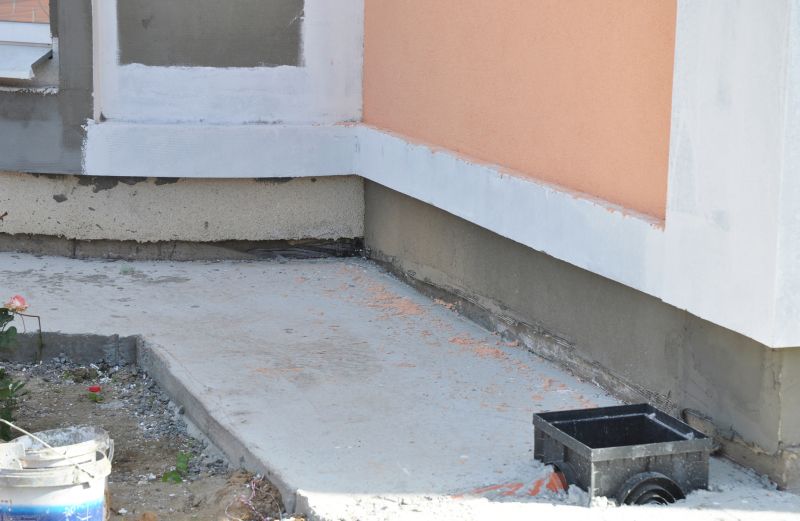
Finishes and colors that play nicely with Foundation Repairs.
| Season | Best Conditions for Foundation Repairs |
|---|---|
| Spring | Moderate temperatures, minimal rain, soil stability |
| Early Summer | Warm, dry weather, ideal for curing |
| Fall | Dry conditions, moderate temperatures |
| Winter | Not recommended due to freezing temperatures and soil movement |
Foundation repairs involve addressing issues such as settling, cracking, and shifting that can compromise structural integrity. These repairs often include underpinning, piering, or stabilization techniques. Proper timing ensures that repairs are durable and less likely to be affected by environmental factors. According to industry data, timely foundation repairs can extend the lifespan of a structure by several decades, preventing costly future damages.
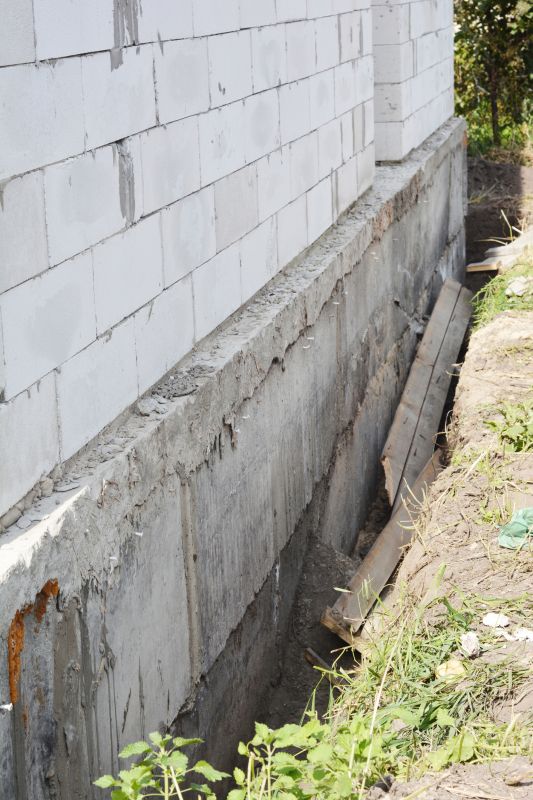
A comprehensive approach to stabilizing and strengthening foundations.
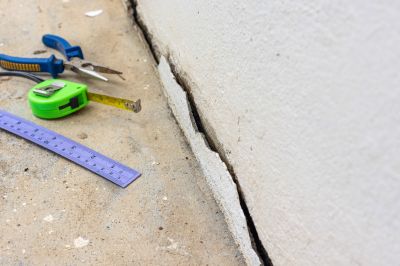
Methods for sealing and reinforcing foundation cracks.
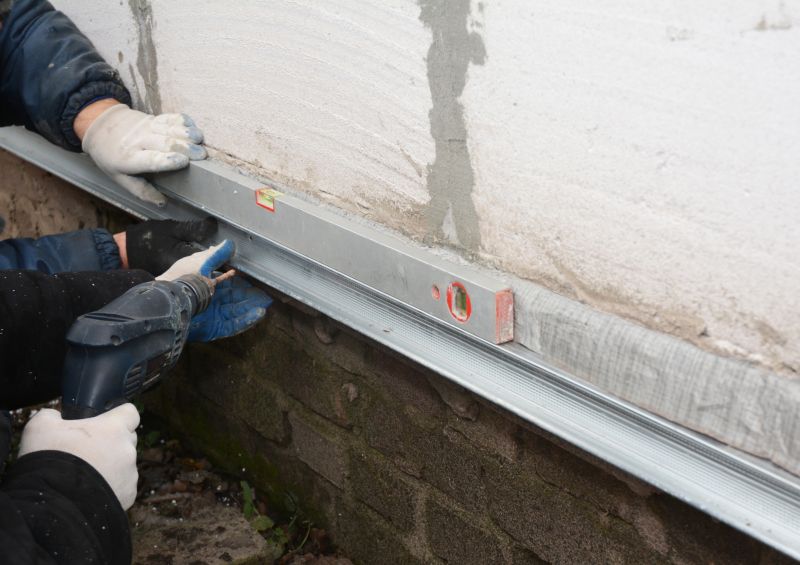
Support systems used to stabilize sinking foundations.
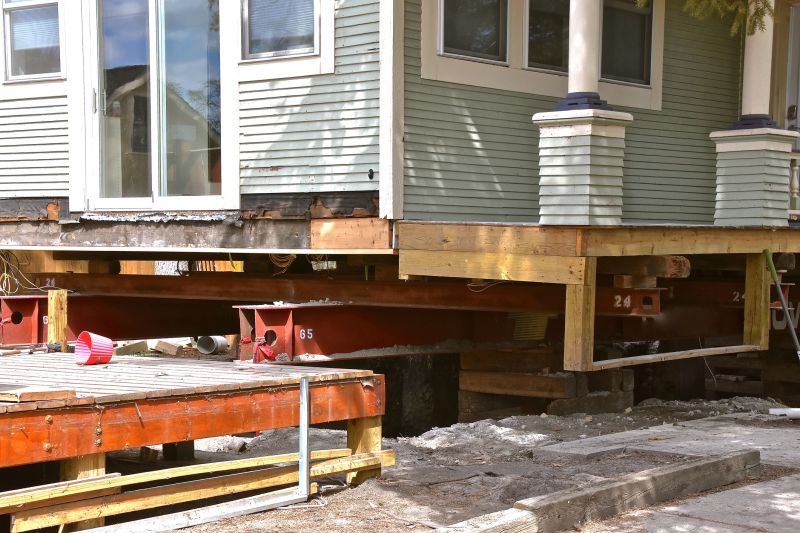
Installation of piers to lift and stabilize foundations.
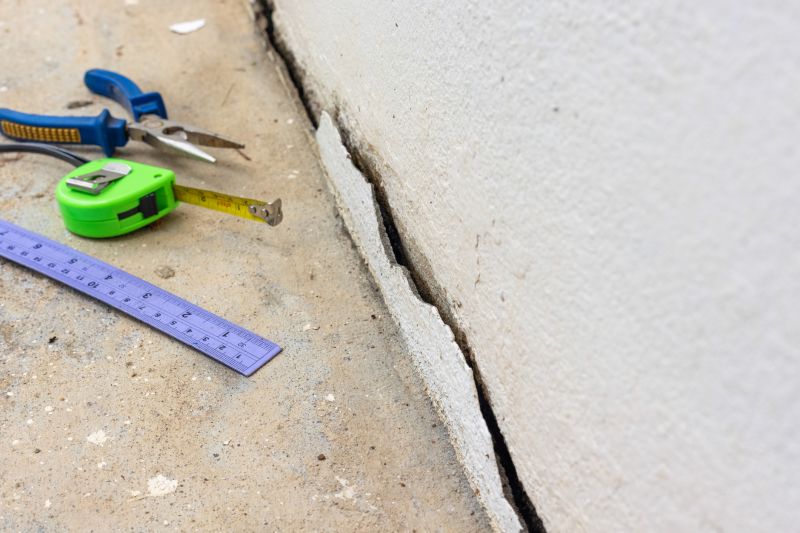
Little measurements that prevent headaches on Foundation Repairs day.
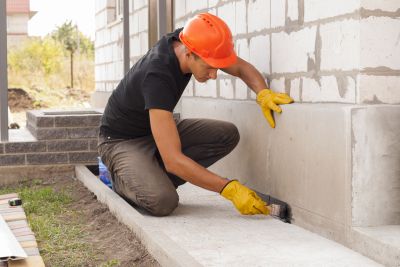
A 60-second routine that keeps Foundation Repairs looking new.
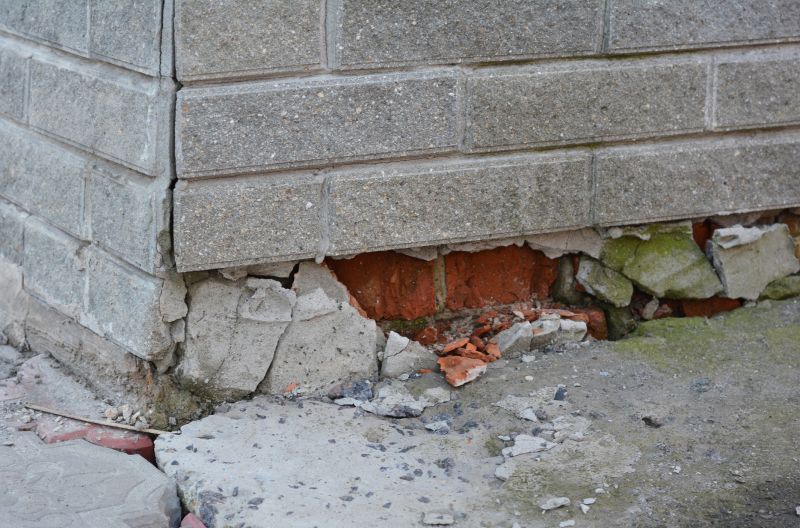
A frequent mistake in Foundation Repairs and how to dodge it.
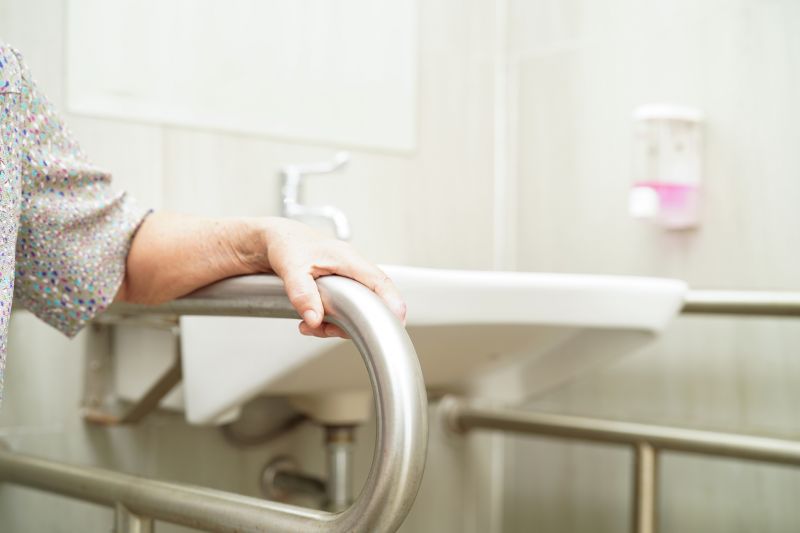
Small tweaks to make Foundation Repairs safer and easier to use.
Understanding the optimal timing for foundation repairs can significantly influence the success and longevity of the work. Consulting with a foundation specialist can help determine the most suitable period based on local climate conditions and soil characteristics. Proper scheduling, combined with expert assessment, ensures that repairs are performed under the best possible conditions for durability and effectiveness.